The Logistics Behind Motorsport: The Crucial Factor in Race Operations

The Logistics Behind Motorsport: The Crucial Factor in Race Operations
When engines roar and the crowd erupts, it’s easy to forget that a race is not just about speed and skill. Behind every motorsport event – from Formula 1 to endurance racing and rally – lies a vast logistical operation that ensures drivers, teams, and equipment are in the right place, at the right time, in perfect condition. Without the precision and planning that logistics demands, no race could ever take place.
A Global Operation of Millimetre Precision
Modern motorsport is a global enterprise. A Formula 1 team, for instance, competes in more than 20 races across five continents each season. That means cars, spare parts, tools, tyres, fuel, and personnel must travel thousands of miles – often with only a few days between events.
Transport is a carefully choreographed mix of air, sea, and road freight. The most valuable components – such as engines and electronics – are flown directly, while heavier items like garage structures, pit equipment, and hospitality units are shipped by sea weeks in advance. As soon as a race finishes, the teardown begins almost immediately, and within hours the team’s entire mobile base is on its way to the next destination.
Timetables That Leave No Room for Error
In motorsport, time is literally money. A delay in transport can mean a team misses practice or qualifying – and with that, the chance to score points or prize money. Logistics departments therefore work to minute-by-minute schedules, where every movement is coordinated with military precision.
A Formula 1 team can move up to 100 tonnes of equipment per race. This requires collaboration with specialist logistics partners who understand customs procedures, security regulations, and local laws. Even small disruptions – a storm, a flight delay, or a customs hold-up – can trigger rapid contingency planning and rerouting.
The People Behind the Machines
Logistics isn’t just about moving equipment; it’s also about moving people. A modern race team includes engineers, mechanics, chefs, media staff, and management – often more than 100 individuals who must travel, live, and work together under intense conditions.
Ensuring everyone has the right visas, vaccinations, accommodation, and transport is a complex task in itself. Many teams employ dedicated travel coordinators who handle every detail so that the crew can focus entirely on performance. For British-based teams, which make up the majority of the Formula 1 grid, this means managing travel from the UK to destinations as far apart as Melbourne, Miami, and Suzuka – often within a single month.
Technology Driving Modern Motorsport Logistics
Digital technology has transformed motorsport logistics. GPS tracking, automated customs systems, and advanced planning software allow teams to monitor every container and component in real time. Simulation tools can model how a delayed flight or a missed shipment might affect pit setup, enabling teams to react instantly and minimise disruption.
Sustainability has also become a key focus. Series such as Formula E and the World Endurance Championship are pioneering greener logistics by optimising routes, using biofuels, and investing in more efficient transport solutions. Formula 1 itself has committed to achieving net-zero carbon by 2030, with logistics playing a central role in that goal.
Læs også:

When Everything Comes Together on Race Day
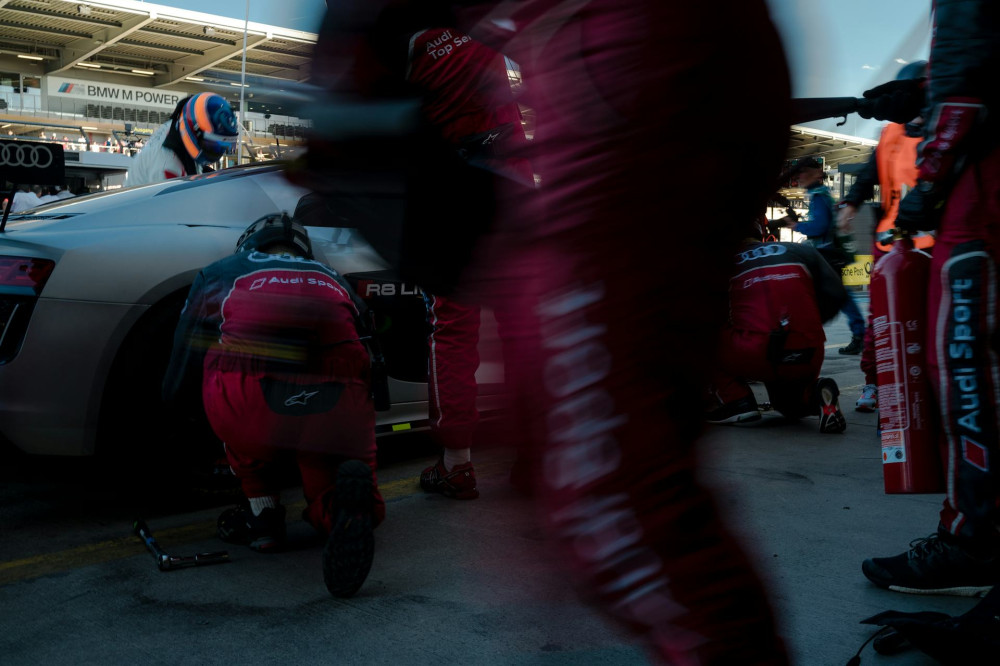
All the planning, coordination, and travel culminate in one critical moment: race day. Every element must work flawlessly – from pit equipment and tyre warmers to communication systems and catering. A single logistical error can cost precious seconds on track, and in motorsport, seconds often decide victory or defeat.
That’s why logistics is not merely a support function but an integral part of race strategy. Many teams view their logistical efficiency as a competitive advantage, on par with aerodynamics or engine performance.
The Invisible Victory
When a driver stands on the top step of the podium, it’s not just a triumph of talent and technology. It’s also a victory for the hundreds of people who ensured that everything behind the scenes ran perfectly.
Motorsport logistics is a discipline of precision, teamwork, and timing – as vital to success as speed and courage. Without it, no engine would start, no tyre would be changed, and no race would ever be run.
Læs også: