National Laws and Motorsport: What Are Bookmakers Actually Allowed to Offer?

National Laws and Motorsport: What Are Bookmakers Actually Allowed to Offer?
Motorsport is one of the most thrilling and technically demanding sports in the world – and for many fans, it’s also a sport that sparks interest in the betting market. But what are bookmakers actually allowed to offer when it comes to betting on Formula 1, MotoGP or rally? And how do national laws come into play when the sport crosses borders and regulatory systems?
This article provides an overview of how legislation shapes the betting options available on motorsport – with a particular focus on the United Kingdom.
UK Regulation: Licensing, Fairness and Consumer Protection
In the UK, all legal betting activity is regulated by the UK Gambling Commission (UKGC). Any bookmaker wishing to offer bets on motorsport must hold a valid UK licence. This ensures that the operator meets strict standards for fairness, transparency and consumer protection.
Licensed bookmakers are free to offer a wide range of motorsport bets, provided that the outcomes are objectively measurable. This includes markets such as who will win a race, who will take pole position, or how many points a driver or team will earn over a season. However, bets based on subjective judgements – for example, “who drives most aggressively” or “who makes the best overtake” – are not permitted.
The UKGC also requires operators to promote responsible gambling, verify the age and identity of customers, and provide tools for players to set limits or self-exclude if needed. All betting products must be offered in a way that is fair, transparent and free from manipulation.
International Differences: A Patchwork of Rules
While the UK has one of the most established and liberal betting markets in the world, regulations vary widely elsewhere. In some European countries, such as Germany and France, betting on motorsport is more restricted, and live betting during races may be limited due to concerns about gambling addiction and integrity.
In the United States, the situation is even more complex. Each state has its own laws: some allow betting on NASCAR and IndyCar, while others prohibit sports betting altogether. This means that international bookmakers must adapt their offerings to each jurisdiction, taking into account both legal requirements and cultural attitudes towards gambling.
For motorsport fans, this patchwork of rules can mean that the range of available bets differs significantly depending on where they are located.
Integrity and Match-Fixing: Motorsport’s Unique Challenges
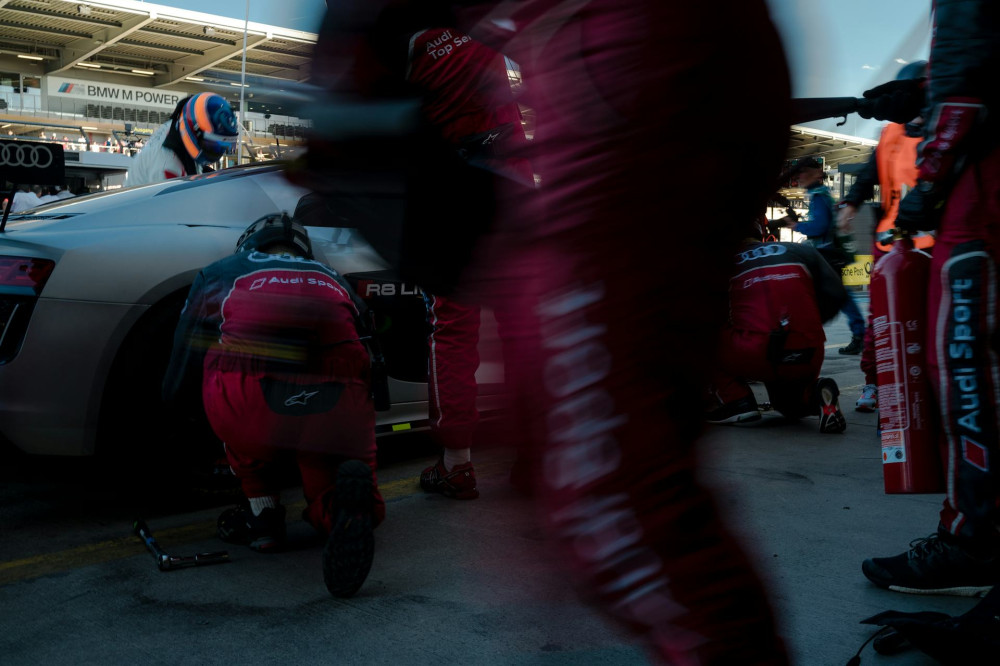
Motorsport presents particular integrity challenges. Unlike many other sports, technical factors play a huge role – a mechanical failure, a pit stop error or a sudden change in weather can completely alter the outcome. This unpredictability makes the sport exciting, but it also increases the risk of suspicion around manipulation or insider information.
To protect the integrity of the sport, both national regulators and international bodies such as the Fédération Internationale de l’Automobile (FIA) require close cooperation between bookmakers, teams and governing authorities. Drivers, mechanics and team members are strictly prohibited from betting on events in which they are involved, and bookmakers must monitor betting patterns for unusual activity.
In the UK, licensed operators are obliged to report suspicious betting behaviour to the Sports Betting Intelligence Unit (SBIU), which works with law enforcement and international partners to investigate potential cases of match-fixing or insider betting.
What Can UK Bettors Expect?
For UK bettors, using a licensed bookmaker means access to a wide and regulated selection of motorsport markets, typically including:
- Race or qualifying winners
- Podium finishes (top 3, top 6, etc.)
- Head-to-head driver matchups
- Championship points or standings
- Season-long bets (e.g. “Who will win the Constructors’ Championship?”)
Live betting is also permitted, allowing fans to place wagers as the race unfolds – though operators must ensure that live data is accurate and that betting integrity is maintained.
You are unlikely to find bets on events that cannot be verified objectively, as UK law requires all outcomes to be measurable and fair.
The Future of Motorsport Betting
As motorsport continues to grow in popularity – including the rise of e-sports and virtual racing – the betting market is expected to expand. However, this growth will take place under continued regulatory scrutiny.
The UKGC and other regulators are increasingly focused on responsible gambling, data protection and the prevention of harm. At the same time, international cooperation is improving, with efforts to harmonise standards and share information across borders.
For fans, this means more opportunities to engage with the sport through betting – but also greater transparency and protection.
Læs også:

Conclusion: Clear Rules Build Trust
Although motorsport is a global sport, betting on it remains governed by national laws. In the UK, this means that bookmakers can only offer bets that are fair, transparent and objectively measurable, under the supervision of the UK Gambling Commission.
These rules may seem strict, but they create a safer environment for bettors and help preserve the integrity of the sport. After all, betting on motorsport should be about excitement and fair competition – not about taking unnecessary risks or compromising the spirit of the race.
Læs også: