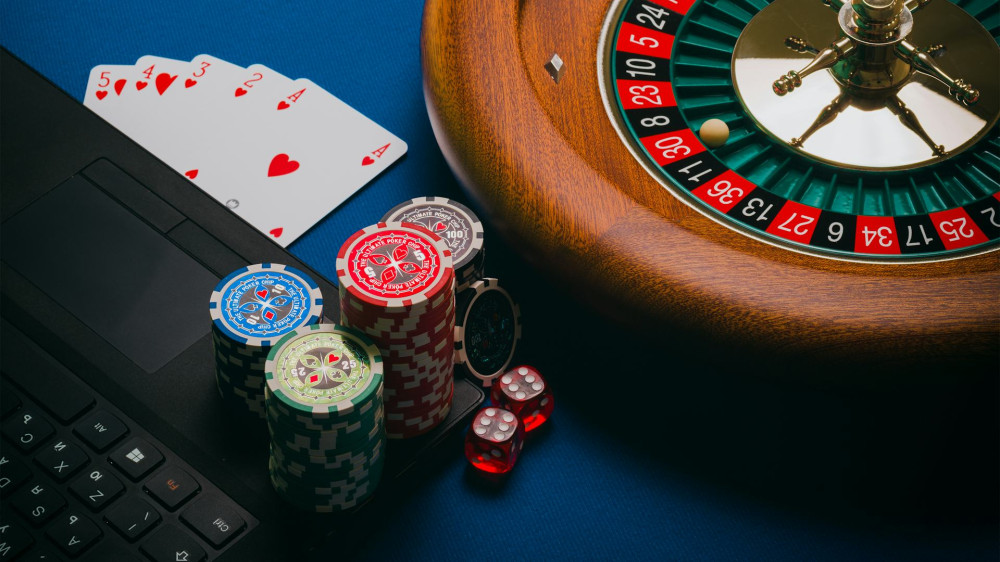
Warning Signs of Problem Gambling – and How to Deal with Them


Warning Signs of Problem Gambling – and How to Deal with Them
For most people, gambling is a fun and harmless pastime – a bit of excitement, a social activity, or a way to test your luck. But for some, what starts as entertainment can gradually take over more and more of their thoughts, time, and money. The line between enjoyment and addiction can be hard to spot, which is why it’s important to recognise the early warning signs of problem gambling – and know what to do if you or someone you care about might be at risk.
When Gambling Starts to Take Over
One of the first signs that gambling may be becoming a problem is when it starts to dominate your thoughts and daily life. You might find yourself constantly checking odds, planning your day around betting opportunities, or feeling restless when you can’t gamble. Some people start gambling to escape stress, loneliness, or financial worries rather than for fun.
Another clear warning sign is when you begin to spend more time and money than you intended. Many people try to “win back” lost money by gambling more, which often leads to even bigger losses and feelings of guilt or shame. This can create a vicious cycle where gambling becomes both the cause of and the supposed solution to your problems.
Common Warning Signs
Everyone’s experience with gambling is different, but there are several common signs that it may be turning into a problem:
- You gamble to escape negative emotions such as stress, sadness, or boredom.
- You hide your gambling from family or friends, or lie about how much time or money you spend.
- You gamble with money you can’t afford to lose, or borrow to keep playing.
- You lose interest in other activities that used to make you happy.
- You feel guilt or shame after gambling but find it hard to stop.
- You try to cut down or stop gambling but keep slipping back into old habits.
The more of these signs you recognise, the more important it is to take action. It doesn’t necessarily mean you’re addicted, but it could mean you’re at risk.
Læs også:



Taking Back Control
Admitting that gambling is becoming a problem is a brave and crucial first step. The next is to take practical steps to regain control. Here are some ways to start:
- Set limits on time and money. Decide how much you can afford to spend and stick to it.
- Take regular breaks. Try a week or a month without gambling and notice how it affects you.
- Talk to someone. Sharing your worries with a friend, family member, or professional can make a big difference.
- Use self-exclusion tools. Many gambling websites and apps in the UK allow you to set deposit limits, time-outs, or self-exclude through services like GAMSTOP.
- Find alternatives. Replace gambling with activities that bring you joy and relaxation – exercise, hobbies, or spending time with others.
The earlier you act, the easier it is to change your habits and prevent gambling from taking over.
If You’re Worried About Someone Else
Watching someone you care about struggle with gambling can be painful and frustrating. You might feel helpless, but there are ways to offer support without taking on their responsibility.
Start by talking openly and calmly about your concerns. Avoid blame or confrontation – focus instead on how their gambling is affecting them and those around them. Encourage them to seek help, but also set clear boundaries, especially if money is involved.
There are also support services for family members and friends of people with gambling problems, where you can get advice on how to cope and look after your own wellbeing.
Where to Get Help
If you’re worried that gambling is getting out of control, help is available. In the UK, you can contact:
- National Gambling Helpline – Free, confidential support 24/7 on 0808 8020 133 or via live chat at www.gamcare.org.uk.
- GAMSTOP – A free self-exclusion service that lets you block access to online gambling sites and apps across the UK.
- BeGambleAware.org – Offers information, self-assessment tools, and links to treatment and support.
- Your GP – Can refer you to specialist treatment or counselling services.
Reaching out for help is not a sign of weakness – it’s a sign of strength. Many people who have struggled with gambling say that the hardest step was admitting there was a problem, but it was also the most important one.
Keeping Gambling Healthy
Gambling can be enjoyable when it’s done responsibly. The key is to know your limits, keep control of your spending, and remember that gambling should never be a way to solve problems or escape from them.
By staying alert to the warning signs and taking action early, you can keep gambling what it’s meant to be – entertainment, not a source of harm.
Læs også: