When the Goalkeeper Is Taken Off: How to React Strategically in Live Betting

When the Goalkeeper Is Taken Off: How to React Strategically in Live Betting
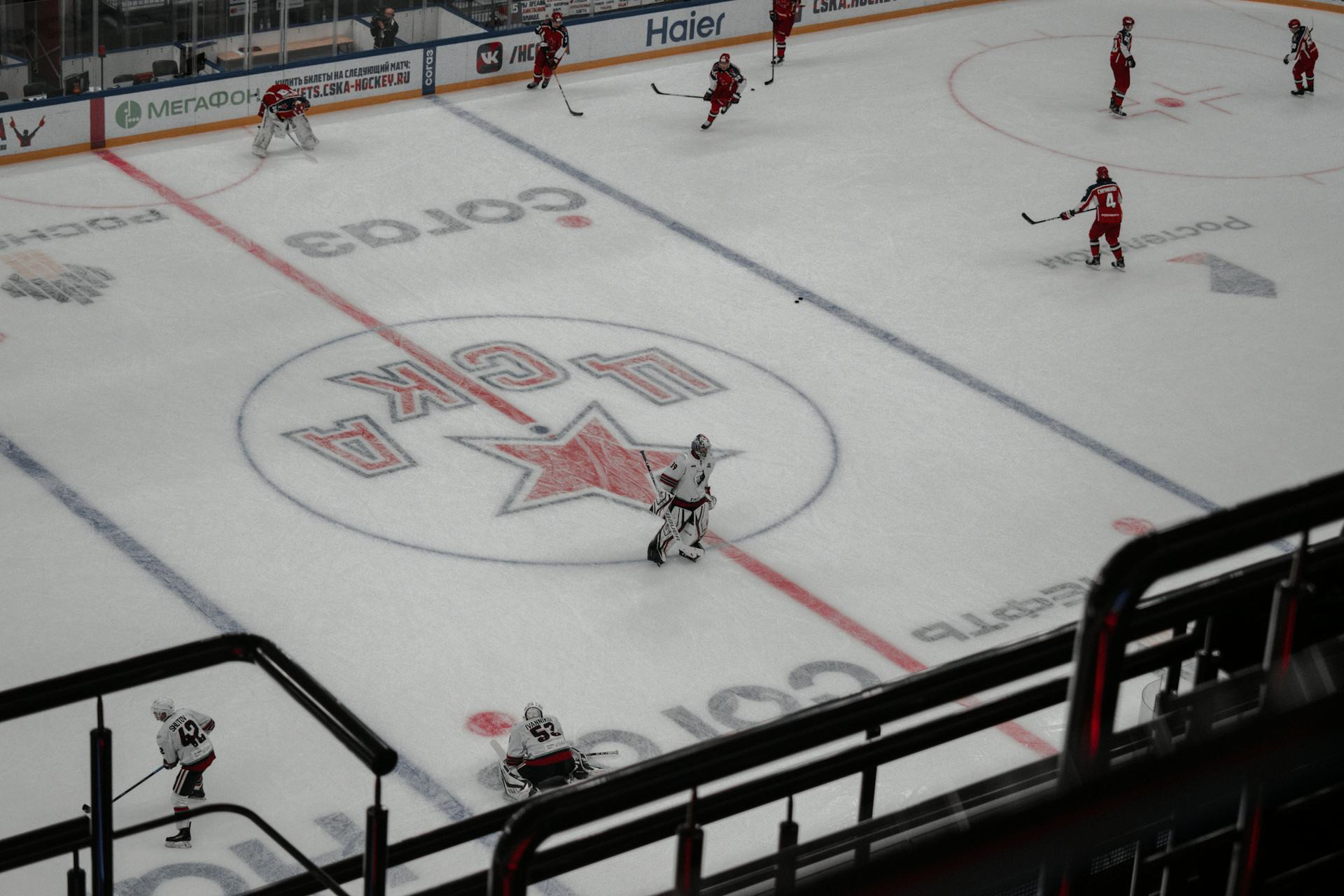
When an ice hockey team pulls its goalkeeper in the final minutes, the game changes in an instant. It’s one of the most dramatic moments in sport – and for live bettors, one of the most crucial to interpret correctly. The open net creates chaos, opportunity, and risk all at once. But how should you respond strategically when the goalie leaves the ice? Here’s a guide to thinking tactically in those decisive moments.
Why Teams Pull the Goalie
Pulling the goalkeeper is a classic move when a team is trailing by one or two goals late in the game. By replacing the goalie with an extra skater, the team gains a numerical advantage and increases its attacking pressure. The downside, of course, is the empty net at the other end – a golden chance for the opposition to seal the win.
For live bettors, this shift changes everything. The pace quickens, defensive structures loosen, and the probability of a goal – for either side – rises sharply.
Read the Game Context
Before reacting to a pulled goalie, it’s vital to understand the context. Not every situation is the same.
- How much time is left? The earlier the goalie is pulled, the greater the risk of conceding. But it also gives the trailing team more time to equalise.
- How have the teams played so far? A side that has struggled to create chances may not benefit much from an extra skater. Conversely, a team with strong offensive momentum can make the most of the overload.
- Home or away? Home teams often push harder in the closing minutes, driven by the crowd, which can influence both tempo and confidence.
Being able to assess these factors quickly can make the difference between a smart live bet and an impulsive loss.
Key Live-Betting Markets to Watch
When the goalie is pulled, bookmakers adjust their odds rapidly. Here are some of the most relevant markets to consider:
- Next goal in the match – A popular market in this phase. The chance of a goal is high, but identifying which team has momentum is crucial.
- Over/under total goals – If the score is 3–2 with two minutes left, an “over 5.5 goals” bet suddenly becomes tempting.
- Handicap markets – If you expect the leading team to score into the empty net, betting on them with a -1.5 or -2.5 handicap can offer value.
- Cash-out options – If you already have a bet running, this might be the moment to secure profit or limit losses before the chaos unfolds.
Speed matters, but so does composure. Odds move fast, and hesitation can cost you – yet rushing in without analysis can be just as costly.
What the Numbers Say
Statistics from major leagues such as the NHL show that teams score roughly 15–20% of the time when playing with an empty net, while the opposition scores around 35–40% of the time. In other words, goals are likely – but not necessarily for the team doing the chasing.
For live bettors, these figures are a useful reference. If a team pulls its goalie with three minutes to go and has struggled to generate shots all night, a bet on the opponent to score next may be the more rational play.
Læs også:


Emotion vs. Strategy
When the tension rises, it’s easy to get caught up in the drama. Many bettors react emotionally – especially if they already have money on the team that’s taking the risk. But successful live betting demands a cool head.
Ask yourself:
- Is there real value in the odds, or am I reacting to excitement?
- Does the team look genuinely threatening, or just desperate?
- How have they handled similar situations in past games?
Keeping your emotions in check during those final minutes is one of the most valuable skills a live bettor can develop.
Learn from Patterns and Experience
Experienced live bettors learn to recognise patterns. Some coaches pull the goalie very early, others wait until the final minute. Some teams are known for aggressive late pushes, while others play more cautiously. By following leagues closely and noting these tendencies, you can anticipate how teams are likely to behave – and position yourself ahead of the market.
Conclusion: Strategy Over Instinct
When the goalkeeper is taken off, it’s one of the most unpredictable and thrilling moments in ice hockey – and one of the most challenging for live bettors. Because anything can happen, strategy matters more than instinct. Read the flow of the game, understand the risk, and use data to guide your decisions. The goal isn’t to guess what happens next, but to respond with insight and discipline.
Læs også: