Real-Time Calculations: The Technology Driving Dynamic Odds


Real-Time Calculations: The Technology Driving Dynamic Odds
When you’re watching a football match and notice the odds shifting from minute to minute, it’s not random. Behind those changing numbers are advanced algorithms constantly analysing the flow of the game. Real-time calculations – or “live data processing” – have become one of the most crucial technologies in modern betting. They allow bookmakers to adjust odds instantly so they reflect the current probabilities of the match. But how does this technology actually work, and what does it mean for both bettors and operators?
From Static to Dynamic Odds
In the past, odds were set before kick-off and rarely changed during play. Bookmakers relied on statistics, form guides, and expert judgement. Today, things are very different. With live betting and real-time data, odds can shift second by second – depending on everything from possession and shots on target to weather conditions and substitutions.
This evolution has made betting more interactive and exciting, but also far more complex. To react quickly, operators need vast amounts of data and lightning-fast calculations.
Læs også:



Data in Motion – Milliseconds Matter
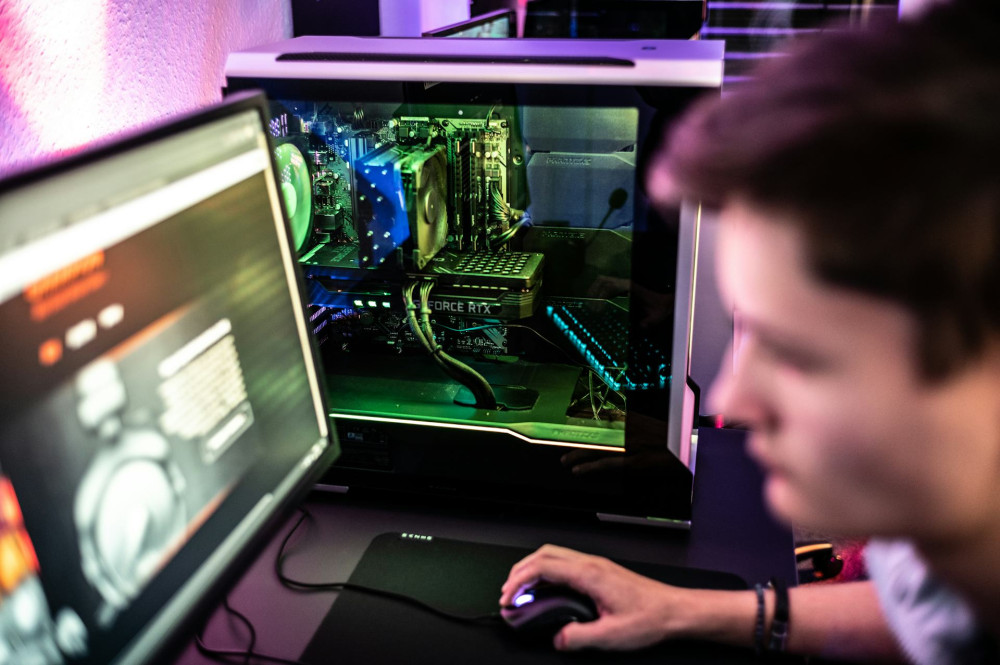
Real-time calculations are all about speed. When a player scores or a team receives a red card, the system must register the event, update the probabilities, and adjust the odds – all within milliseconds. That requires an infrastructure capable of processing data from multiple sources simultaneously.
Most bookmakers work with specialised data providers who collect information directly from stadiums using sensors, cameras, and human observers. These data streams are fed into algorithms that calculate new probabilities based on statistical models and machine learning.
The Algorithms Behind the Odds
At the heart of real-time calculations are mathematical models that estimate the likelihood of different outcomes. They take into account:
- Historical data – past results, player statistics, and team form.
- Live data – current match events such as possession, shots, and cards.
- External factors – weather, home advantage, and even crowd intensity.
The algorithms constantly adjust the weight of these factors so that the odds always reflect the most likely scenario. This means that a team suddenly dominating play will see its odds for victory shorten – even before a goal is scored.
Machine Learning and Real-Time Prediction
The most advanced systems use machine learning to improve accuracy over time. By analysing millions of past matches, these models learn to recognise patterns that humans might miss. For example, they might detect that a particular team tends to score late in games, or that a player’s performance drops after a certain substitution pattern.
This adaptive technology makes odds more precise – but also more unpredictable for bettors trying to “beat the system”.
Challenges: Latency, Fairness, and Responsibility
Despite its sophistication, the technology faces challenges. One of the biggest is latency. Even a few seconds’ delay between the live broadcast and data processing can give an advantage to bettors with faster access. That’s why operators are constantly working to reduce latency and ensure everyone receives the same information at the same time.
Real-time calculations also raise questions about fairness and responsibility. When odds change so quickly, it can be difficult for bettors to make considered decisions. Many platforms now include tools to help users set limits and understand the risks of live betting.
The Future: More Data, Greater Precision
The development doesn’t stop here. As sensor technology and artificial intelligence continue to advance, real-time calculations will become even more accurate. We’ll see systems capable of predicting the likelihood of a goal based on a player’s position, speed, and angle – all in real time.
For bettors, this means a more engaging experience. For operators, it means sharper competition and a constant need for innovation. And for technology as a whole, it shows how data and real-time computation are transforming the way we understand and interact with sport.
Læs også: