Home Advantage in Basketball – Myth or Strategic Factor?


Home Advantage in Basketball – Myth or Strategic Factor?
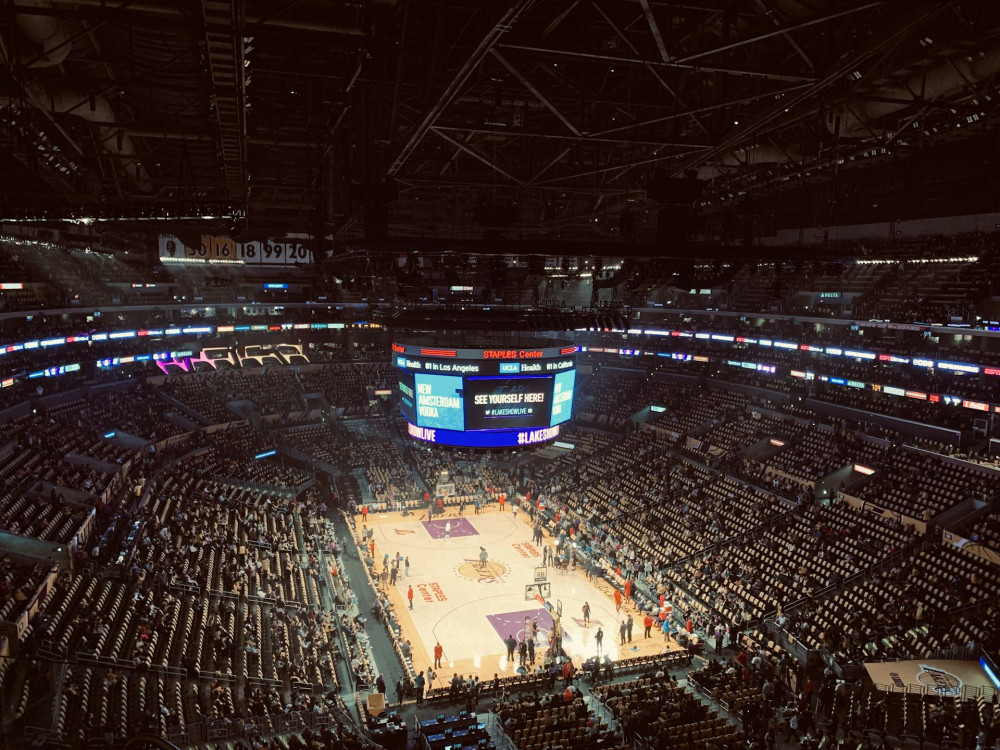
When a basketball team plays on its home court, fans and commentators often talk about the “home advantage” – that invisible boost that seems to lift players to another level. But how real is it? Is it simply a psychological illusion, or are there tangible factors that make home teams more likely to win? Research, statistics, and the experiences of players and coaches suggest that the truth lies somewhere in between.
The Numbers Tell a Clear Story
Looking at major leagues such as the NBA, EuroLeague, and the British Basketball League (BBL), the data shows a consistent pattern: home teams win more often than away teams. In the NBA, the home win rate has historically hovered around 55–60%, though it has declined slightly in recent years. The BBL shows a similar, if slightly smaller, trend. This suggests that home advantage still exists – but perhaps not as strongly as it once did.
Several factors contribute to this. Travel fatigue, unfamiliar surroundings, and disrupted routines can all affect the away team’s performance. Meanwhile, the home team benefits from familiar facilities, supportive fans, and the comfort of routine. Even referees, consciously or not, can be influenced by the atmosphere in the arena, with studies showing a small but measurable bias in favour of the home side in close calls.
The Crowd as the Sixth Player
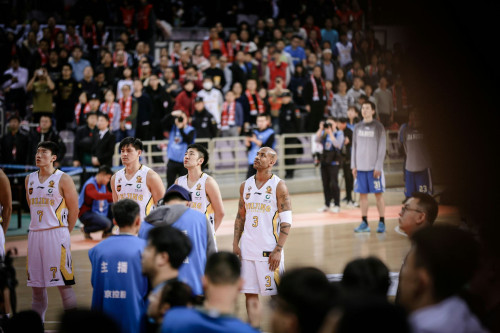
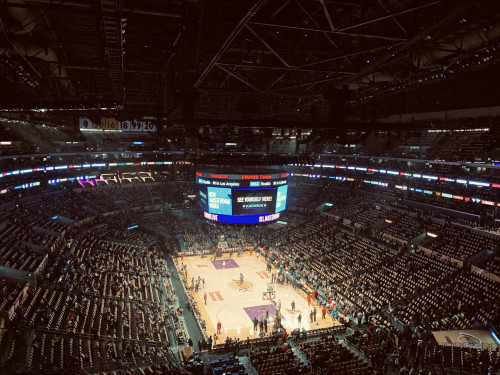
Basketball is a sport built on rhythm, energy, and momentum. A roaring crowd after a big dunk or a crucial three-pointer can lift the home team and rattle the opposition. Players often describe how the noise and energy from the stands can “carry” them through tough stretches of a game.
But the effect can cut both ways. When the home team falls behind, the sudden quiet or tension in the crowd can add pressure rather than relieve it. It’s not just about having a large audience – it’s about creating a supportive atmosphere that sustains the team even when things aren’t going well.
Læs også:

Familiar Surroundings and Routine
Home teams also enjoy practical advantages. They know the court, the lighting, the bounce of the floor, and even the background behind the basket – all small details that can subtly affect shooting accuracy. They also avoid the fatigue of travel, hotel stays, and time zone changes, which can be significant in a sport that demands sharp focus and quick recovery.
Coaches often highlight the importance of routine. Being able to follow the same pre-game rituals, eat familiar meals, and warm up in a known environment can help players feel settled and confident. That sense of normality can make a real difference when the pressure is on.
The Referee Factor – Unconscious Bias?
One of the most debated aspects of home advantage is the role of referees. Multiple studies have found that officials tend to make slightly more favourable calls for home teams, particularly in tight games. This isn’t usually a matter of deliberate bias, but rather an unconscious response to the noise and emotion of the crowd.
However, as technology has advanced, this effect appears to be shrinking. Video review systems and greater scrutiny of officiating have made referees more accountable and reduced the influence of crowd pressure. Still, the home advantage hasn’t disappeared entirely.
Home Advantage in Strategy and Betting
For those who follow basketball closely – including fans, analysts, and bettors – home advantage remains a key factor to consider. Bookmakers typically build it into their odds, but the degree varies between leagues and teams. Some sides are almost unbeatable at home, while others perform consistently regardless of venue.
Understanding the nuances matters. How has a team performed at home versus away over time? How far has the visiting team travelled? How do players respond to crowd pressure? A deeper grasp of these dynamics can offer a strategic edge, whether you’re coaching, analysing, or simply watching the game.
An Edge, Not a Guarantee
Home advantage in basketball is neither a myth nor a magic formula. It’s a blend of psychology, logistics, routine, and atmosphere. It can provide a lift – but it can’t make up for poor form, weak tactics, or a stronger opponent.
Ultimately, the home court is a stage, not a promise. It can inspire, energise, and create momentum – but victory still has to be earned on the floor.
Læs også: