High Odds with Hidden Drawbacks – Learn to Spot Them in Cycling Betting

High Odds with Hidden Drawbacks – Learn to Spot Them in Cycling Betting
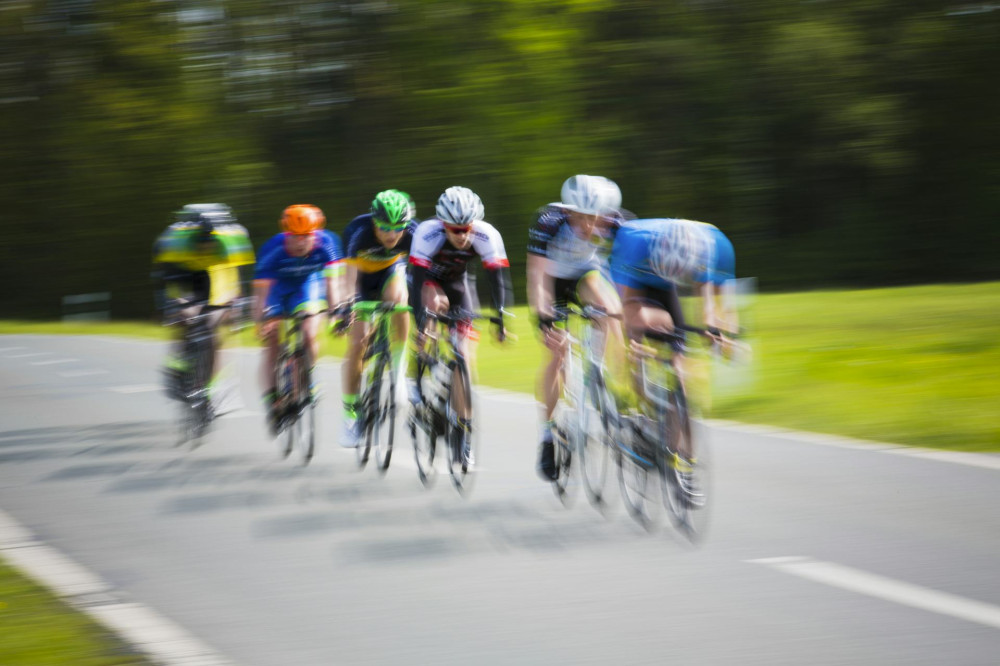
Cycling races are unpredictable, dramatic, and full of tactical twists – which is exactly why they’ve become a favourite among sports bettors. When you see an outsider listed at long odds, it can be tempting to go for the big win. But behind those seemingly attractive numbers often lie hidden pitfalls that can cost you dearly if you don’t understand how odds really work. This article will help you spot the hidden drawbacks in cycling betting so you can bet more consciously and with a clearer sense of risk.
Why High Odds Are So Tempting
When a rider is priced at 50/1 or 100/1 to win a race, it looks like a golden opportunity. A small stake could, in theory, bring a huge return. But bookmakers don’t set odds at random – they reflect the probability of an outcome plus the bookmaker’s own margin. The higher the odds, the lower the estimated chance of it happening.
Cycling is notoriously difficult to predict: weather, crashes, breakaways, team tactics, and daily form all play a part. That unpredictability makes long odds feel like a chance to “beat the system”. In reality, though, major upsets are rare – and when they do happen, they’re almost impossible to foresee.
The Bookmaker’s Margin – The Hidden Opponent
One of the biggest drawbacks of high odds is the bookmaker’s margin, often called the “house edge”. This means that the total of all implied probabilities in a market adds up to more than 100%. That ensures the bookmaker always has an advantage, no matter who wins.
The higher the odds, the larger the margin often is. This means you’re getting poorer “value” for your bet. A price of 100/1 might correspond to a true probability of 0.8%, not 1% as it appears. That small difference may seem trivial, but over time it makes a big impact on your overall returns.
Emotional Traps and “Value Illusions”
Cycling appeals to emotions. Many fans have favourite riders they follow closely, and that can cloud judgement. When a popular rider is offered at long odds, it can feel like a unique opportunity – but often it’s that very popularity that has influenced the price.
Bookmakers know that many punters bet with their hearts. They can adjust odds to make them look appealing without changing the underlying probability. This is known as a “value trap” – a bet that looks like good value but isn’t.
Understanding the Context – Reading the Race
Spotting real value requires understanding the nature of the race. Stages in the Tour de France, one-day classics like Paris-Roubaix, or mountain stages in the Giro d’Italia all demand very different skill sets. A rider who excels on rolling terrain may have no chance in a sprint, no matter how high the odds.
Before placing a bet, always analyse:
- Race profile: Is it flat, hilly, or mountainous?
- Team strategy: Is the rider working for a leader or free to chase their own result?
- Weather and wind: Crosswinds can completely change a race.
- Form and motivation: Is the rider peaking, or using the race for preparation?
The better you understand these factors, the easier it becomes to judge whether a high price truly represents value – or just an illusion.
Managing Risk and Thinking Long-Term
Even the most experienced bettors lose more often than they win when backing long shots. Responsible betting means thinking in terms of probabilities and long-term outcomes, not single big wins. Spread your risk and stake only small amounts on high-odds bets. Keep the majority of your bankroll for more realistic wagers where the chance of success is higher.
Over time, it’s not the spectacular wins that determine success, but your ability to manage risk and avoid the biggest traps.
Læs også:

When High Odds Make Sense
There are times when long odds can genuinely offer value – especially if you have insight the market has overlooked. Perhaps a rider has quietly returned to form, or a team is changing tactics. But this requires solid research and a realistic assessment of probabilities.
A good rule of thumb is to ask yourself: “Would I still place this bet if the odds were lower?” If the answer is no, it’s probably not a good bet – just a tempting one.
Conclusion: Knowledge Beats Luck
Cycling betting can be exciting and intellectually rewarding, but high odds should always be approached with healthy scepticism. They promise big rewards but often hide low probabilities and high bookmaker margins. By understanding how odds are formed and analysing races carefully, you can avoid the worst pitfalls and bet more strategically.
Remember, betting should never be seen as a shortcut to easy money, but as a form of entertainment where knowledge and discipline are your best tools.
Læs også: