Finishing Patterns in Darts: The Key to Understanding a Player’s Strengths and Weaknesses

Finishing Patterns in Darts: The Key to Understanding a Player’s Strengths and Weaknesses
When a darts match reaches its final moments and a player stands on a double, the atmosphere changes. Every throw becomes a test of nerve, precision, and decision-making. Finishing patterns – or checkouts – are more than just a technical aspect of the game; they reveal a player’s mindset, confidence, and ability to perform under pressure. For fans, commentators, and analysts alike, understanding these patterns is essential to truly grasp what separates the good from the great.
What Is a Finishing Pattern?
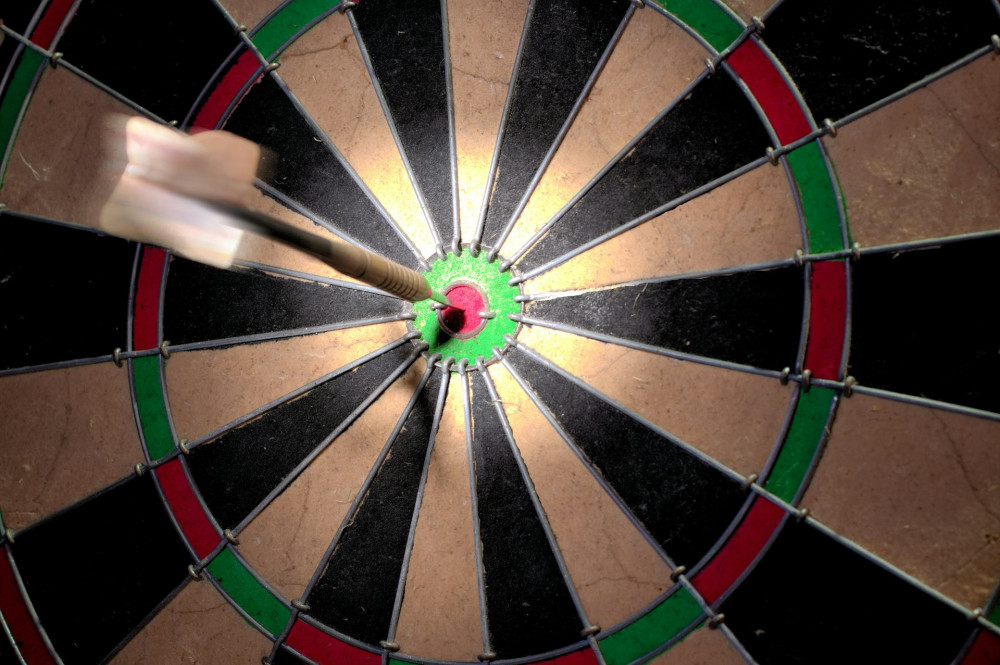
A finishing pattern describes the sequence of darts a player uses to reach exactly zero, usually ending on a double or the bullseye. The most famous example is the 170 checkout: treble 20, treble 20, bullseye – the highest possible finish and a moment of pure brilliance when executed on stage.
However, most finishes fall between 40 and 100 points, and it’s in these ranges that a player’s personality and strategy become visible. Some prefer safe, percentage-based routes that allow for recovery if a dart strays, while others opt for bold, direct paths that demand absolute accuracy.
Strategy and Psychology at the Oche
Finishing is as much about psychology as it is about arithmetic. A player who consistently sticks to the same route shows confidence and routine. One who changes approach mid-match might be adapting to the opponent’s rhythm – or showing signs of doubt.
Top professionals such as Luke Humphries and Michael Smith are admired for their composure in these moments. They trust their process, knowing that rhythm and belief in their chosen patterns often outweigh the theoretical “best” route on paper.
The Numbers Behind the Best Finishers
Modern darts is driven by data. Analysts track checkout percentages – the proportion of legs a player wins when given a finishing opportunity – to measure efficiency under pressure. A high checkout rate doesn’t just reflect accuracy; it reflects mental strength and timing.
Common finishing preferences among elite players include:
- 40 points (D20) – the classic and most popular finish, offering a clear, comfortable target.
- 32 points (D16) – favoured because it allows for halving down to D8, D4, and D2 if needed.
- 52 points (20, D16) – a steady route that avoids awkward single numbers.
By studying which finishes a player favours, analysts can often predict how they’ll respond when the heat is on.
What Finishing Patterns Reveal About a Player
Finishing patterns can broadly categorise players into three types:
- The Methodical Player – sticks to set routes, rarely improvises, and thrives on consistency. Reliable under pressure and strong on doubles.
- The Intuitive Player – plays by feel, adjusting routes based on the flow of the match. Capable of brilliance but sometimes erratic.
- The Risk-Taker – goes for spectacular finishes and thrives on adrenaline. A crowd favourite, but vulnerable when confidence dips.
Recognising these tendencies helps explain why some players dominate one night and falter the next. The checkout phase exposes not just skill, but temperament.
Læs også:




Why It Matters for Analysis and Betting
For those who follow darts analytically or from a betting perspective, finishing patterns are a goldmine of insight. A player with a high scoring average but poor checkout percentage may look dominant yet struggle to close legs. Conversely, a player with modest scoring but clinical finishing can grind out victories.
Combining data such as first nine average (scoring power) with checkout efficiency gives a fuller picture of a player’s strengths and weaknesses – and a better sense of how a match might unfold.
The Finish as a Reflection of the Whole Game
Ultimately, the finishing pattern is a microcosm of darts itself: precision, strategy, and mental resilience distilled into a few crucial throws. It’s where matches are won and lost, and where a player’s true character is revealed.
To understand finishing patterns is to understand darts. In that final moment, as the dart leaves the hand and finds its mark, everything becomes clear – the preparation, the pressure, and the belief that separates champions from challengers.
Læs også: